How to Read a Gummy Supplement Label Like a Pro
Two bottles, one shelf, zero clarity
Imagine standing in the aisle, a gummy bottle in each hand. One has bold claims splashed across the front. The other has a long list of words you cannot pronounce. Which one is actually better? The honest answer starts with the back of the bottle, where the label tells the real story.
Reading a supplement label is a skill, and it takes about two minutes to learn. Once you know where to look, you can compare any two gummies with confidence, including ours.
Step one: find the directions
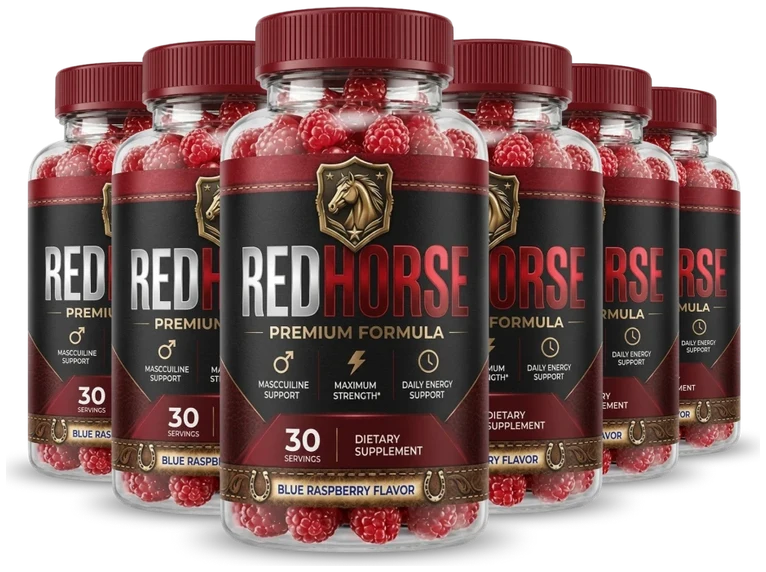
Start with how much to take. A clear label states a simple daily amount and tells you not to exceed it. Red Horse, for example, directs one gummy per day, preferably at the same time each day, for adults only.
Look for these basics:
- A clear daily amount, such as one gummy.
- Who it is for, such as adults.
- A direction not to exceed the recommended dose.
- Any timing guidance, such as taking it at the same time daily.
If the directions are vague or buried, that is worth noticing. Clarity is a sign of care.
Step two: study the ingredient panel
This is the core of any label, and the part that matters most. Each ingredient should be named plainly, with an amount printed beside it. Vague phrases that bundle everything together under one total make it hard to see what you are actually getting.
Look for:
- The common name and, ideally, the botanical name, such as Tongkat Ali (Eurycoma longifolia).
- The form, such as extract or root.
- A printed amount in milligrams for each item.
- Whether the list is easy to scan and understand.
Transparent labels show every amount. Red Horse lists seven ingredients with amounts as printed: L-Arginine HCl 50 mg, Tongkat Ali extract 200 mg, Maca Root extract 100 mg, Ashwagandha extract 100 mg, Horny Goat Weed extract 100 mg, Beet Root extract 50 mg, and Grape Seed extract 50 mg. You can read about each one on the ingredients page.
Step three: understand the word extract
You will see the word extract constantly. It simply means the useful part of a plant has been concentrated into a more compact form. A root or seed is processed so a smaller amount delivers the plant's naturally occurring compounds.
That is why a gummy can include plants like Maca, Ashwagandha, and Beet Root at modest milligram amounts. When you see extract on a label, check that the plant source is named and that the amount is printed. Both are signs of an honest panel.
Step four: scan the other facts
Beyond the active ingredients, a good label tells you more about how the product is made and what it is free from.
- Free-from claims, such as gluten-free and non-GMO.
- Where it is made, such as the USA.
- Facility standards, such as an FDA-registered facility and GMP certification.
- Whether the formula is described as natural.
Red Horse is gluten-free, non-GMO, made in the USA in an FDA-registered facility, and GMP certified, with a natural formula. Those details help you compare like for like.
For a deeper look at how to evaluate any supplement, the NIH Office of Dietary Supplements publishes clear public guidance.
Step five: look past the front of the bottle
Front labels sell. Back labels tell. Be wary of large promises, vague superlatives, and anything that sounds too good to be true. Responsible wording uses phrases like supports and designed to support, which describe a daily ritual rather than an overnight miracle.
Red Horse is marketed as a simple daily ritual formulated to support healthy circulation, vitality, and masculine energy. That is the kind of grounded language to look for. You can read the full explanation on the how it works page.
Common label tricks to spot
Once you know the basics, a few patterns become easy to notice. Some labels list a long row of ingredients but print only a combined total, which hides how much of any single item you receive. Others lead with a famous name and tuck it at the very bottom of the list in a tiny amount. Others rely on trendy words that sound impressive but explain nothing.
Compare actual milligram amounts, not marketing adjectives. Consider whether the number printed beside each plant looks meaningful for a single daily gummy. Then check how many items are listed. A focused formula with seven clearly labeled ingredients is easier to understand than a crowded panel of twenty with no amounts at all.
Finally, check the price against the daily routine. Divide the pack total by the number of days it covers. With Red Horse, one bottle covers about a 30-day supply, so you can work out the daily cost in seconds on the home page or the order page.
Your quick label checklist
Screenshot this and take it shopping:
- Daily amount and directions are clear.
- Every ingredient is named with its amount.
- Botanical names are listed for plant extracts.
- Free-from and manufacturing details are stated.
- Wording is realistic, not exaggerated.
- The purchase terms are easy to understand, including any satisfaction promise.
Run Red Horse through the checklist and see how it holds up. One bottle covers about a 30-day supply.
When you are ready, the best value is the 6-bottle pack: $49 per bottle, $294 total, free shipping, and 180 days of daily support. Visit the Red Horse order page to pick yours. A 60-day satisfaction promise and secure checkout come with every order.
Read the back, trust the amounts, and choose with confidence.